1. Introduction
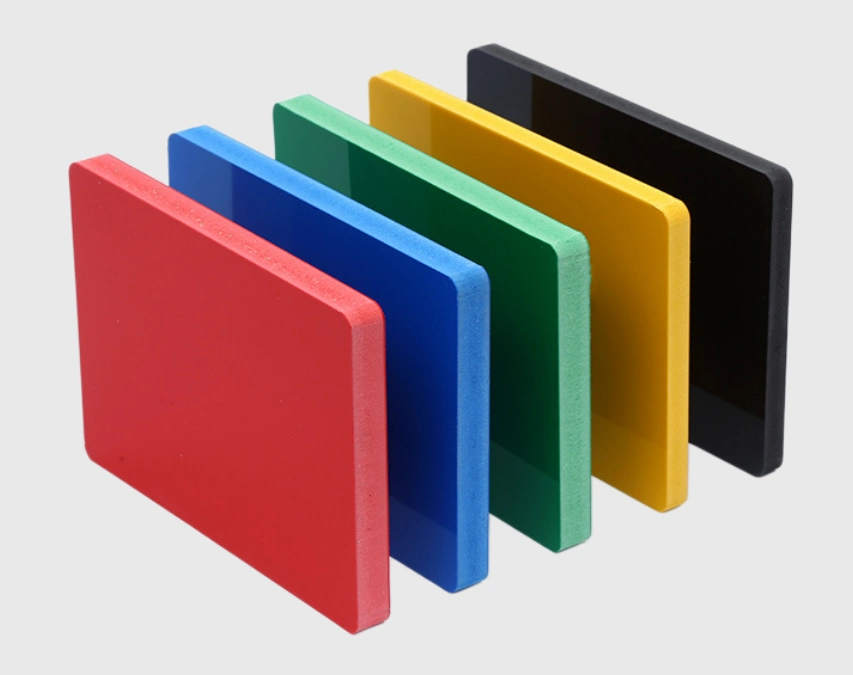
In numerous fields such as construction decoration, advertising production, and furniture manufacturing, PVC foam boards have become a popular material due to their characteristics of lightweight, moisture – proof, sound – proof, and easy processing. However, with a wide variety of brands and uneven quality in the market, how to select cost – effective products and avoid purchasing mistakes in 2026 has become a focus of many purchasers. This article will interpret the key points of PVC foam board selection from the professional perspective of manufacturers.
2. Understand Key Performance Indicators
- Compressive Strength
Compressive strength is an important indicator to measure the ability of PVC foam boards to withstand vertical pressure. In practical applications, such as being used as floor substrates or ceiling materials, a higher compressive strength can ensure that the boards are not easily deformed. Generally, the compressive strength of high – quality PVC foam boards should be between 0.4 – 1.2MPa. If it is used in an occasion where heavy objects need to be carried, it is recommended to choose products with a compressive strength close to the upper limit. For example, in the ceiling decoration of an industrial factory building, it is more appropriate to choose a PVC foam board with a compressive strength of about 1.0MPa.
- Flexural Strength
Flexural strength reflects the ability of the board to resist bending deformation. When PVC foam boards are used to make curved parts of furniture or as the support structure of advertising display racks, flexural strength becomes particularly important. The flexural strength of high – quality PVC foam boards is usually between 1.0 – 3.5MPa. For example, when making an arc – shaped display rack, a product with a higher flexural strength needs to be selected to ensure the stability of its structure.
- Temperature Resistance
Different usage environments have different requirements for the temperature resistance of PVC foam boards. In some high – temperature environments, such as kitchens, outdoor billboards directly exposed to sunlight, etc., the boards need to have good temperature – resistant performance to prevent problems such as deformation and aging. Generally, common PVC foam boards can withstand a temperature range of – 20°C to 70°C. If the temperature of the usage environment exceeds this range, a special formula of temperature – resistant PVC foam board needs to be selected.
3. Reasonably Select Density and Thickness
- Selection of Density
The density of PVC foam boards usually ranges from 0.4 – 1.1g/cm³. Different densities have different applicable scenarios.
– Low – density Boards (0.40 – 0.50g/cm³): These boards are light in texture and low in cost, suitable for making advertising signs, display boards, etc., where weight requirements are high. For example, for a large – scale outdoor hanging advertisement, choosing a low – density PVC foam board can reduce the burden on the hanging structure and at the same time reduce costs.
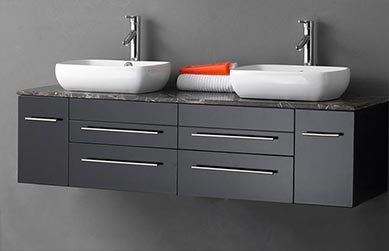
– Medium – density Boards (0.60 – 0.80g/cm³): Medium – density PVC foam boards achieve a good balance between strength and weight and are widely used in furniture manufacturing, interior decoration, etc. For example, when making the partitions of wardrobes and the door panels of cabinets, medium – density boards can ensure a certain strength without being too heavy.
– High – density Boards (0.90 – 1.1g/cm³): High – density PVC foam boards have high strength and good wear resistance and are often used in occasions where high strength and durability are required, such as industrial packaging, construction templates, etc. For example, for temporary templates in construction projects, high – density PVC foam boards are needed to withstand various pressures during the construction process.
- Consideration of Thickness
The thickness range of PVC foam boards is generally 1 – 40mm. Thinner boards (1 – 5mm) are suitable for some decorative occasions where the thickness requirement is not high, such as interior wall decorative veneers, the production of small – scale advertisements, etc. Thicker boards (10 – 40mm) have better load – bearing capacity and are suitable for making furniture countertops, building partitions, etc. For example, when making the desktop of a dining table, a PVC foam board with a thickness of 15 – 20mm is usually selected to ensure the flatness and load – bearing capacity of the desktop.
4. Pay Attention to Surface Treatment and Coating
- Standard Smooth Surface
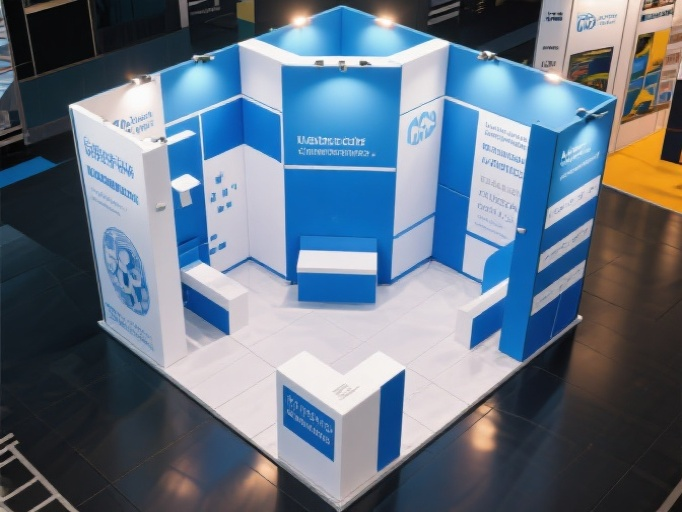
The standard smooth surface is the most common surface treatment method. This kind of surface is economical and easy to process subsequently, such as painting, sticking self – adhesive, etc. For some projects with limited budgets and low requirements for surface decoration, such as the decoration of temporary exhibition booths, PVC foam boards with a standard smooth surface are a good choice.
- Coated or Laminated Surfaces
Coating or laminating treatment can improve the performance of PVC foam boards, such as improving wear resistance, corrosion resistance, and waterproofness. Common coatings include UV coatings, fire – resistant coatings, etc., and laminations include PVC films, wood – grain films, etc. For example, for the boards used in kitchen furniture, choosing PVC foam boards with waterproof coatings or laminations can effectively prevent the erosion of water vapor on the boards. However, such specially – treated boards are relatively expensive in price, and the choice needs to be determined according to actual needs and budgets.
5. Avoid Common Purchasing Mistakes
- Regarding Flame Retardancy
Many people think that PVC foam boards are flame – retardant just because they do not burn easily. In fact, the flame – retardant grade of PVC foam boards needs to meet relevant national standards, such as the Bf1 – t0 grade. It cannot be considered that the board has good flame – retardant performance just because it is not easy to ignite. In some places with high fire – prevention requirements, such as shopping malls and hotels, PVC foam boards that meet the corresponding flame – retardant standards must be selected.
- Judgment of Environmental Friendliness
The environmental friendliness of PVC foam boards cannot be judged simply by smell. Although environmentally friendly PVC materials do not contain harmful substances such as formaldehyde, newly produced boards may have some slight odors, which are caused by the volatilization of some additives during the production process. The odor will gradually dissipate after ventilation and drying. To judge the environmental friendliness of the boards, it should be checked whether they have passed relevant environmental certifications, such as the EU’s CE certification, China’s China Environmental Labeling Product Certification, etc.
- Wear – resistance Misunderstanding
Some people think that if there are no scratches on the board surface when scratched with a sharp object, it means the board is wear – resistant. However, the wear – resistance of the board needs to be determined through professional national standard tests, not just a simple scratch test. In some public places with high traffic flow, such as the floor decoration of shopping malls, PVC foam boards that have passed strict wear – resistance tests need to be selected.
6. Choose a Reliable Manufacturer
- Brand Reputation
Choosing a manufacturer with a good brand reputation is an important factor to ensure product quality. Well – known brands usually have been tested in the market for a long time, and their product quality and after – sales service are more guaranteed. For example, [Brand 1] in China has been focusing on the research, development, and production of PVC foam boards for many years, has accumulated a high reputation in the industry, and its product quality is stable and deeply trusted by customers.
- Certifications and Qualifications
Check whether the manufacturer has relevant certifications and qualifications, such as ISO9001 Quality Management System Certification, ISO14001 Environmental Management System Certification, etc. These certifications indicate that the manufacturer has reached certain standards in production management, product quality control, and environmental protection. In addition, some industry – specific certifications, such as fire – resistance certification, environmental – performance certification, etc., can further prove the quality and performance of the product.
- Production Scale and Technical Strength
Manufacturers with a large production scale and advanced technical strength can often ensure the stability and innovation of products. Large – scale production can reduce costs, and advanced production equipment and technologies can improve product quality and production efficiency. For example, [Brand 2] has multiple advanced automated production lines and continuously invests in research and development resources to launch new PVC foam board products to meet the changing needs of the market.
7. Conclusion
When purchasing PVC foam boards in 2026, by understanding key performance indicators, reasonably selecting density and thickness, paying attention to surface treatment and coating, avoiding common purchasing mistakes, and choosing a reliable manufacturer, purchasers can more scientifically and accurately select cost – effective products. It is hoped that this selection guide can provide useful reference for the majority of purchasers, enabling them to avoid detours in the procurement process of PVC foam boards and obtain satisfactory products.
Popular Tags: 2026 PVC foam board selection, PVC foam board performance indicators, PVC foam board density and thickness, purchasing mistakes, reliable manufacturer