Introduction: Why Avoiding Pitfalls Matters When Sourcing PVC Foam Board from China
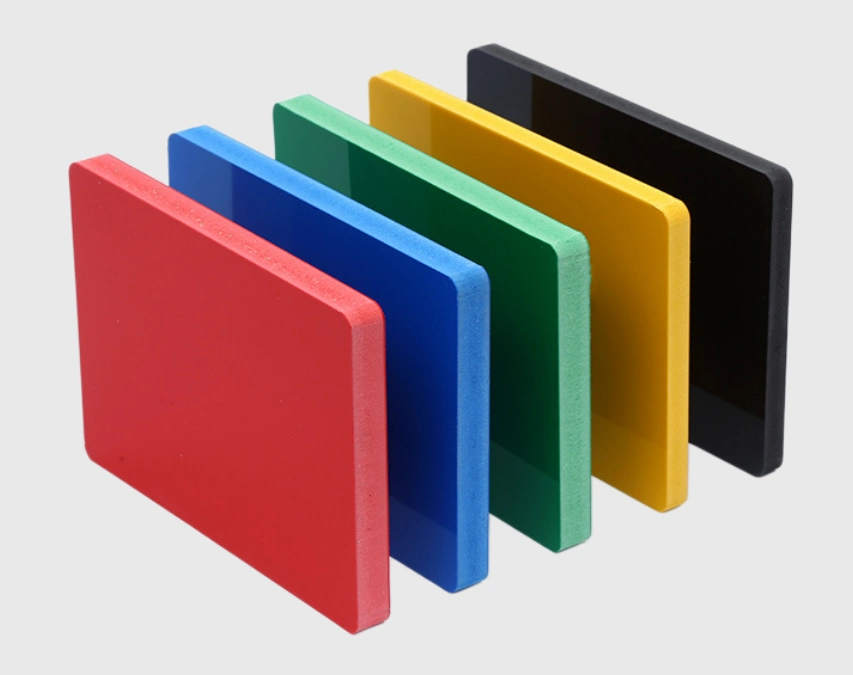
China is a global leader in the production and export of PVC foam board, also known as expanded PVC sheet, foam PVC panel, or Forex board. With a large number of manufacturers, competitive prices, and diverse product specifications, China has become the preferred sourcing destination for buyers worldwide looking for high-quality and cost-effective PVC foam board. However, while sourcing PVC foam board from China offers numerous advantages, it also comes with potential pitfalls that can lead to financial losses, project delays, and quality issues. Many international buyers, especially those new to sourcing from China, often fall into common traps such as unqualified products, misleading pricing, and unreliable suppliers.
This blog is designed to share practical secrets to avoid pitfalls when sourcing PVC foam board from China, helping you make informed decisions and ensure a smooth purchasing process. We will focus on key keywords such as “sourcing PVC foam board from China”, “PVC foam board purchasing pitfalls”, and “China PVC foam board supplier selection”, and incorporate their synonyms and related terms to meet Google SEO requirements. Whether you are a professional buyer, a business owner, or a procurement manager, this guide will provide you with valuable insights to avoid common mistakes and source high-quality PVC foam board from China.
1. Pitfall 1: Ignoring Supplier Qualification Verification
One of the most common pitfalls when sourcing PVC foam board from China is failing to thoroughly verify the supplier’s qualifications. Many buyers are attracted by low prices and rush to sign contracts without checking the supplier’s production capacity, certification, and reputation. This often leads to cooperating with unqualified manufacturers who produce substandard PVC foam board, resulting in product quality problems such as uneven density, poor water resistance, and insufficient flame retardancy.
To avoid this pitfall, you must verify the supplier’s qualifications comprehensively. First, check whether the supplier has relevant certifications such as ISO9001 quality management system certification, ISO14001 environmental management system certification, and product testing reports including flame retardant testing (GB 8624-2012 or UL 94 standard) and ROHS 10-item environmental testing. Second, confirm the supplier’s production scale, including the number of production lines, factory area, and annual output—reliable manufacturers usually have standardized production bases and advanced production equipment. Additionally, check the supplier’s export experience and customer reviews to understand their reputation in the industry. You can also request a factory inspection or ask for sample testing to ensure the supplier’s ability to produce high-quality PVC foam board.
2. Pitfall 2: Being Misled by Unrealistic Low Prices
Price is an important factor when sourcing PVC foam board from China, but unrealistic low prices are often a red flag. Some suppliers use extremely low prices to attract buyers, but they cut corners in production—such as using low-purity PVC resin, reducing foam density, or skipping environmental and flame retardant treatments—to reduce costs. The PVC foam board produced in this way not only fails to meet the required performance standards but also has a short service life, which will bring hidden dangers to your projects.
To avoid this pitfall, you should have a clear understanding of the market price of PVC foam board. You can compare quotes from multiple suppliers to grasp the reasonable price range—note that the price of PVC foam board is related to its thickness, density, flame retardant grade, and environmental performance. Do not blindly pursue low prices; instead, focus on the cost-performance ratio. When a supplier’s quote is significantly lower than the market average, you should ask for a detailed cost breakdown and sample testing to confirm whether the product meets your requirements. Additionally, pay attention to hidden costs such as shipping fees, customs duties, and inspection fees, which are often not included in the initial quote and can increase the total purchasing cost.
3. Pitfall 3: Neglecting Product Quality Inspection Standards
Another common pitfall is neglecting the formulation of clear product quality inspection standards. Many buyers only verbally agree on product requirements with suppliers, without specifying detailed quality indicators in the contract, leading to disputes when the delivered products do not meet expectations. For example, the thickness, density, water resistance, flame retardant grade, and surface flatness of PVC foam board are all key quality indicators that need to be clearly defined.
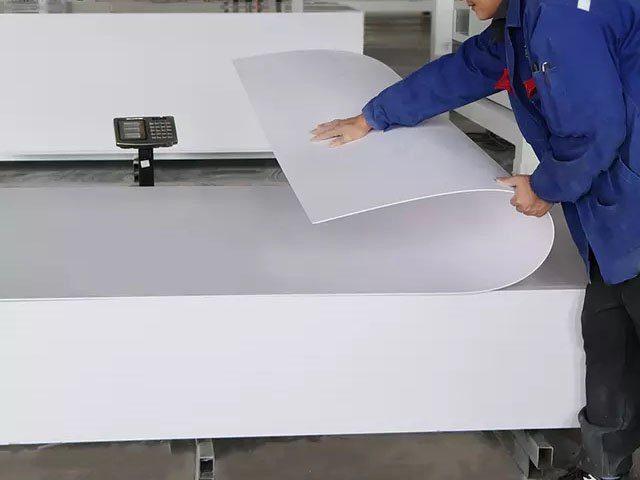
To avoid this pitfall, you should formulate detailed quality inspection standards before purchasing and clearly write them into the contract. For example, specify the density range of the PVC foam board (usually 0.3-0.8 g/cm³), the flame retardant grade (such as B1 grade for indoor use or V-0 grade for electronic products), the water absorption rate (should be less than 1%), and the surface flatness error (should be within 0.5mm per meter). You can also entrust a third-party testing agency to inspect the products before shipment to ensure that they meet the agreed standards. Additionally, pay attention to the product’s appearance quality, such as whether there are bubbles, cracks, or color differences on the surface, which will affect the use effect and aesthetic appearance of the product.
4. Pitfall 4: Overlooking Customization and After-Sales Service
Many buyers focus only on product quality and price, but overlook the supplier’s customization capabilities and after-sales service, which can lead to troubles in subsequent use. For example, if you need PVC foam board with specific thickness, size, or surface finish, but the supplier does not have the ability to provide customization, it will affect your project progress. In addition, if the delivered products have quality problems, the supplier’s lack of timely after-sales service will increase your losses.
To avoid this pitfall, you should confirm the supplier’s customization capabilities before cooperation, including whether they can produce PVC foam board according to your specific requirements such as thickness, size, color, and surface treatment (such as lamination, painting, or UV printing). At the same time, clarify the after-sales service terms in the contract, such as the warranty period, the handling method for quality problems, and the response time. Reliable suppliers usually provide a certain warranty period and promise to replace or compensate for unqualified products in a timely manner. Additionally, pay attention to the supplier’s communication efficiency—timely and effective communication can avoid misunderstandings and ensure that the purchasing process goes smoothly.
5. Pitfall 5: Ignoring Logistics and Customs Risks
Logistics and customs clearance are important links in sourcing PVC foam board from China, and ignoring related risks can lead to project delays and additional costs. For example, choosing an unreliable logistics company may result in damaged goods, delayed delivery, or lost goods. In addition, failure to understand the customs regulations of the destination country may lead to customs detention, fines, or even the return of goods.
To avoid this pitfall, you should choose a professional and reliable logistics company with rich experience in exporting PVC foam board. Confirm the logistics mode, delivery time, and insurance terms to ensure that the goods can be delivered safely and on time. At the same time, understand the customs regulations of the destination country, such as the required documents (commercial invoice, packing list, certificate of origin, product testing report), tariff rates, and prohibited items. You can also ask the supplier for help in preparing relevant documents to ensure smooth customs clearance. Additionally, pay attention to the packaging of the goods—reasonable packaging can reduce the risk of damage during transportation.
Conclusion: Key Tips for Smooth Sourcing of PVC Foam Board from China
Sourcing PVC foam board from China can bring you cost advantages and diverse product choices, but it is crucial to avoid common pitfalls. By thoroughly verifying supplier qualifications, not being misled by low prices, formulating clear quality inspection standards, paying attention to customization capabilities and after-sales service, and avoiding logistics and customs risks, you can successfully source high-quality PVC foam board from China and ensure the smooth progress of your projects. Remember, the key to successful sourcing is to be cautious, do your homework, and choose reliable suppliers. With the right methods and precautions, you can turn the sourcing process into a smooth and rewarding experience.
Vike Sheets is a professional PVC foam board manufacturer with reliable product quality, fast delivery, and acceptance of customization and OEM. To learn more about its uses, contact us. vikesheets@hotmail.com