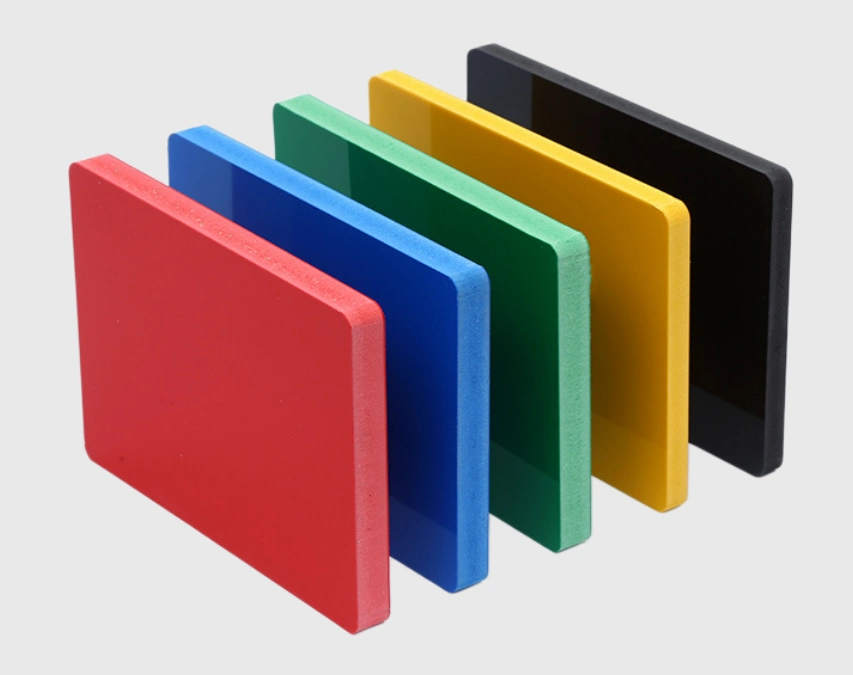
Introduction: PVC Foam Board – A Versatile Material for Multiple Industries
In the world of modern building materials and industrial manufacturing, PVC foam board—also known as expanded PVC sheet, foam PVC panel, or Forex board—has emerged as a versatile and cost-effective solution that spans countless industries. From advertising billboards to home renovations, from furniture production to marine applications, this lightweight yet durable material has become a go-to choice for professionals and DIY enthusiasts alike. But what exactly is the use of PVC foam board? In this blog, we will explore its diverse applications, key advantages, and why it continues to replace traditional materials like wood, MDF, and acrylic in various projects. We will also dive into the different types of PVC foam boards and how their unique properties make them suitable for specific uses, ensuring you have a comprehensive understanding of this indispensable material.
What Is PVC Foam Board? Key Properties
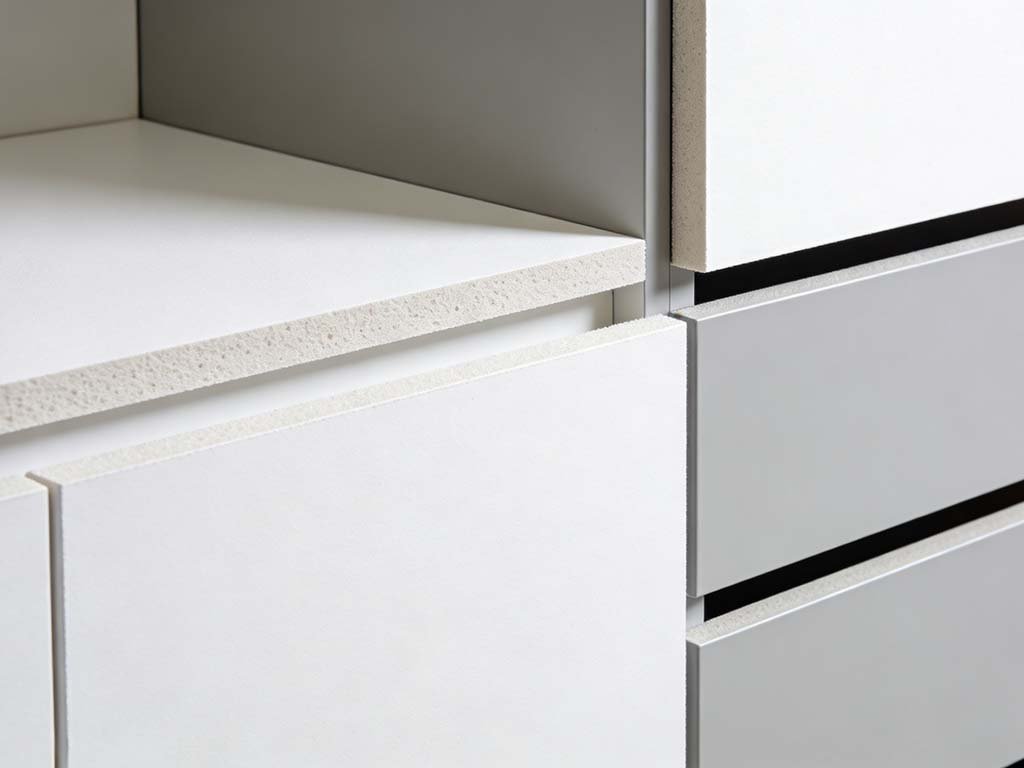
First, let’s clarify what PVC foam board is. PVC foam board is a rigid, lightweight panel made from polyvinyl chloride (PVC) resin, combined with foaming agents, stabilizers, and other additives through an extrusion or foaming process. It features a closed-cell structure, which gives it exceptional water resistance, dimensional stability, and impact resistance—properties that set it apart from many other materials. Unlike solid PVC sheets, PVC foam boards are lighter in weight but retain impressive rigidity, making them easy to handle, cut, and install without compromising on strength. This unique combination of characteristics is what makes PVC foam board so versatile, allowing it to be used in both indoor and outdoor settings, across commercial, residential, and industrial sectors.
PVC Foam Board in Advertising & Signage Industry
One of the most common and widespread uses of PVC foam board is in the advertising and signage industry. As a preferred substrate for digital printing, screen printing, and UV printing, PVC foam board offers a smooth, uniform surface that ensures high-quality, vibrant prints with sharp details. Its lightweight nature makes it easy to mount on walls, hang from ceilings, or install as standalone signs, without the need for heavy support structures. Whether it’s indoor signs for retail stores, restaurants, or offices, or outdoor billboards, banners, and exhibition displays, PVC foam board delivers exceptional performance. For example, pop-up displays at trade shows, point-of-purchase (POP) displays in supermarkets, and directional signs in shopping malls all frequently use PVC foam board due to its durability and printability. Additionally, its weather-resistant properties mean outdoor signs made from PVC foam board can withstand rain, sunlight, and temperature fluctuations without fading, warping, or deteriorating—making it a long-lasting choice for outdoor advertising.
Applications in Construction & Architecture
In the construction and architecture sector, PVC foam board has become an essential material for both decorative and functional applications. Its waterproof and moisture-resistant properties make it ideal for areas prone to humidity, such as bathrooms, kitchens, and basements. Many homeowners and contractors use PVC foam board as wall panels, ceiling tiles, and partition walls, as it does not absorb water, resist mold and mildew growth, and is easy to clean. Unlike wood, which can swell, rot, or warp when exposed to moisture, PVC foam board maintains its shape and integrity even in damp environments. Additionally, PVC foam board is often used as a cladding material for exterior walls, especially in regions with harsh weather conditions, as it provides excellent insulation and protection against the elements. It is also a popular choice for false ceilings, decorative moldings, and door panels, thanks to its smooth surface and ability to be painted or laminated to match any interior or exterior design style. For construction projects that require lightweight materials without sacrificing strength, PVC foam board is an excellent alternative to traditional materials like plywood and MDF, as it reduces installation time and labor costs while offering superior durability.
PVC Foam Board in Furniture & Cabinetry Manufacturing
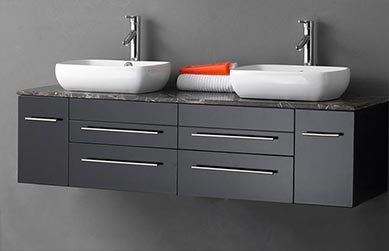
The furniture and cabinetry industry has also embraced PVC foam board as a sustainable and cost-effective alternative to wood. Due to its resistance to moisture, termites, and decay, PVC foam board is ideal for manufacturing kitchen cabinets, bathroom vanities, wardrobes, and storage units—areas that are often exposed to water and humidity. It can be easily cut, routed, and shaped into various designs, allowing furniture manufacturers to create custom pieces with intricate details. Additionally, PVC foam board can be laminated with wood grain, marble, or other decorative finishes to mimic the look of natural materials, without the high cost and maintenance requirements. For example, kitchen cabinets made from PVC foam board are not only affordable but also easy to clean, resistant to stains, and long-lasting. They do not require painting or sealing, which saves time and money in the long run. PVC foam board is also used for furniture components such as table tops, drawer fronts, and shelving, as it is lightweight yet strong enough to withstand daily use.
Industrial & Manufacturing Uses of PVC Foam Board
Another important use of PVC foam board is inindustrial and manufacturing applications. Its chemical resistance, impact resistance, and dimensional stability make it suitable for a wide range of industrial uses, including machine housings, equipment enclosures, and workbenches. PVC foam board can withstand exposure to chemicals, oils, and solvents, making it ideal for use in laboratories, factories, and chemical processing plants. It is also used in the automotive industry for interior components such as door panels, trunk liners, and dashboard trim, thanks to its lightweight nature and ability to be thermoformed into complex shapes. Additionally, PVC foam board is used in marine applications, such as boat interiors and decking, as it is waterproof, corrosion-resistant, and can withstand saltwater exposure without deteriorating. In the packaging industry, PVC foam board is used to create protective packaging for fragile items, as it provides excellent cushioning and shock absorption while being lightweight and cost-effective.
PVC Foam Board for DIY Projects & Hobbyists
PVC foam board is also a popular choice for DIY projects and hobbyists. Its ease of use—requiring only basic tools like a utility knife or saw for cutting—and versatility make it perfect for a wide range of DIY applications. Whether it’s
Vike Sheets is a professional PVC foam board manufacturer with reliable product quality, fast delivery, and acceptance of customization and OEM. To learn more about its uses, contact us. vikesheets@hotmail.com